ESP32-C6 SuperMini Case
por Mr Brown en Printables
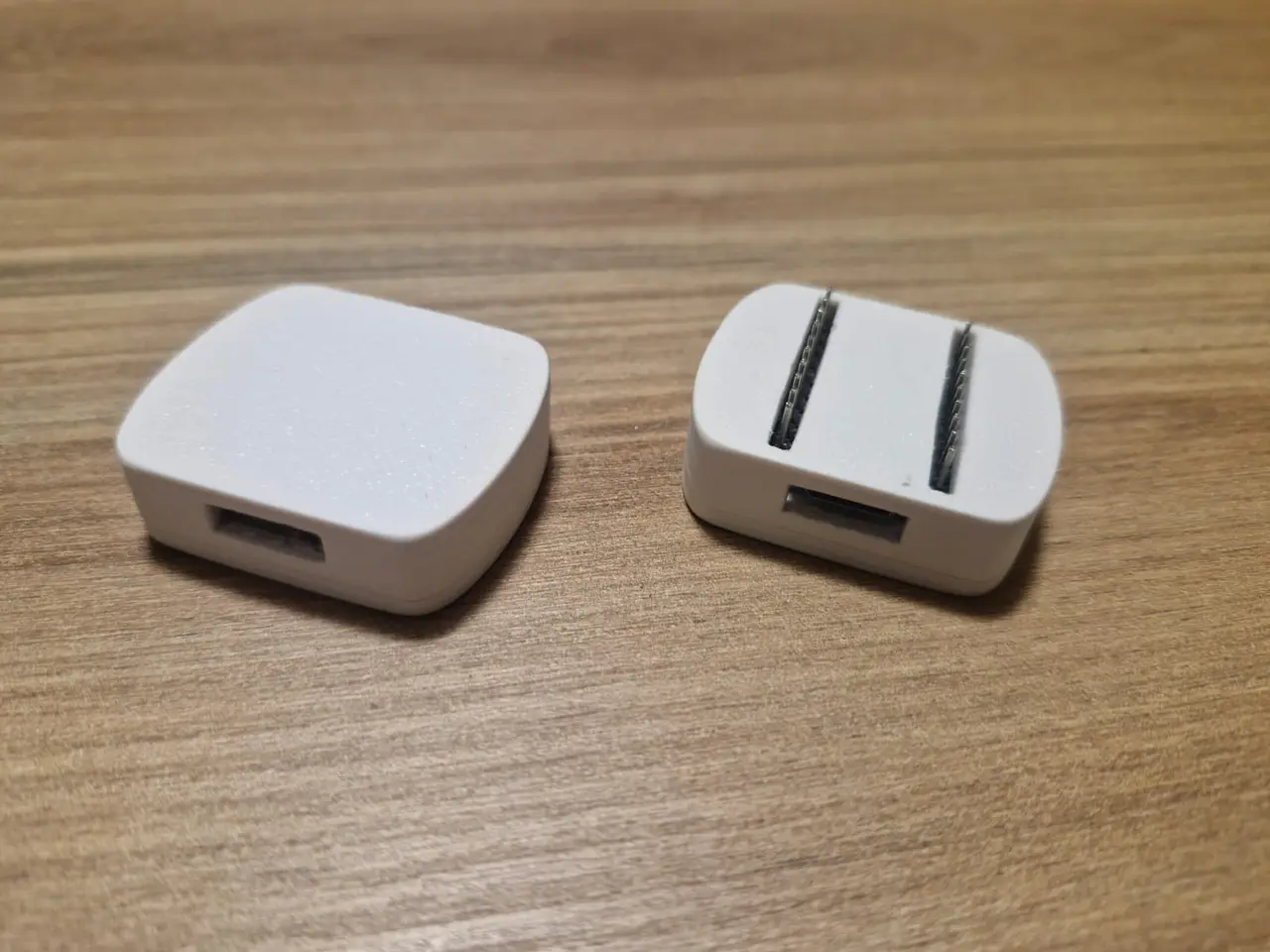
A case for the ESP32-C6 SuperMini Development Board with a variant that allows you to expose the header pins
Licencia
Uso comercial permitidoPuedes usarlo, modificarlo y venderlo; si distribuyes versiones modificadas deben ir con la misma licencia y sus fuentes.
Al descargar aceptas respetar la licencia y dar crédito a Mr Brown.
Archivos (4)
- Categoría
- Tecnología
- Formatos
- STL
- Descargas
- 0
- Publicado
Sobre este modelo
ESP32-C6 Supermini Case: Solid and Header-Pin Versions A small, low-profile two-part case for the ESP32-C6 Supermini dev board. The board sits between two rails on the base plate, and the lid screws down over it. The USB-C port stays reachable for power and flashing. The ESP32-C6 supports Wi-Fi 6, Bluetooth 5 (LE), Zigbee and Thread, so this case works well for ESPHome, Home Assistant, Matter and other small IoT projects where you want a clean little box. Two variants - Solid lid: Fully enclosed with a smooth top. Use this when the board has no headers soldered, or when you only need USB power and the onboard radio. It suits sensors, BLE proxies and Zigbee/Thread devices.
- Header-pin lid: Has two slots in the top that line up with the pin rows, so the board can have its header pins soldered on and they stay exposed. You can plug in jumper wires or attach modules without opening the case.
Hardware required - 2 × M2.5 countersunk threaded insert nuts (pressed or heat-set into the lid)
- 2 × M2.5 × 5 mm screws
Assembly - Install the two M2.5 inserts into the holes in the lid. A soldering iron with an insert tip makes this easy.
- Place the ESP32-C6 Supermini on the base plate between the rails, with the USB-C port facing the cutout end.
- Put the lid on, lining up the USB-C opening with the port.
- Fasten from underneath with the two M2.5 × 5 mm screws.
Descripción original del autor, publicada en Printables.