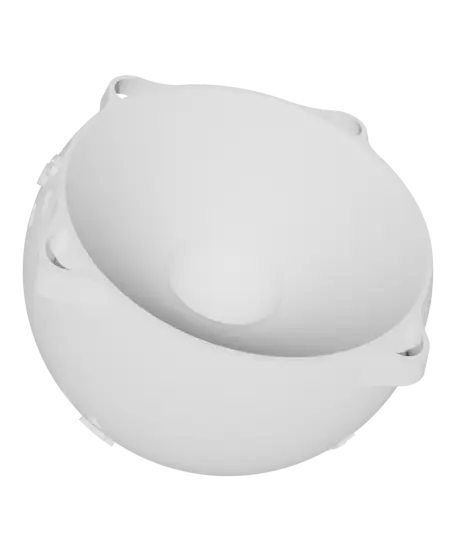
Dynamic Extraocular Muscle Simulator!
What is it?
Thangs entrega los archivos a usuarios con cuenta gratuita
Licencia
Solo uso personalCC BY-NC-SA 4.0 — Atribución, no comercial, compartir igual
Uso personal dando crédito; sin fines comerciales y las modificaciones con la misma licencia.
Al descargar aceptas respetar la licencia y dar crédito a Layo A.
Archivos (10)
- Base - Left.obj OBJ · 2,4 MB
- Base - Right.obj OBJ · 2,5 MB
- Front - Left.obj OBJ · 1,6 MB
- Front - Right.obj OBJ · 1,6 MB
- Globe - Left.obj OBJ · 2,7 MB
- Globe - Right.obj OBJ · 4,3 MB
- Iris.obj OBJ · 122 KB
- Orientation Marker.obj OBJ · 10 KB
- Pupil.obj OBJ · 48 KB
- Build Guide - Dynamic Extraocular Muscle Simulator.pdf PDF
- Categoría
- Educación
- Formatos
- OBJ, PDF
- Descargas
- 4
- Publicado
Sobre este modelo
What is it? This 3D-printed model of the orbit and extraocular muscles is designed as a hands-on teaching and learning tool. It helps demonstrate the complex, multi-directional movements of the eyes in a way that static images or cadaveric dissection can’t.
By pulling elastics representing the extraocular muscles, you can show both isolated and combined effects on gaze direction. Adjustable tension makes it possible to simulate pathological states like cranial nerve palsies or muscle entrapments. Integrated bony landmarks provide realistic anatomical context.
Features - Interactive, dynamic model that demonstrates real eye movements - Elastics simulate muscle actions with adjustable tension - Can demonstrate cranial nerve palsies, entrapments, and paresis - Includes bony landmarks for orientation and context - Designed to be low-cost (under $50 CAD in materials) and printable/assembled in a day or two
Intended Use - Classroom teaching and demonstrations - Self-directed study for medical students or trainees - Visualizing and understanding neuromuscular control of eye movements - Simulating differential diagnosis of gaze abnormalities
How to build it
_See Build Guide in the files section for specific instructions_
Materials Needed
1. PLA 1.75 mm filament - White: 642 g (180 g for Base, 382 g for Front, 80 g for Globe) - Black: 1 g (Pupil) - Red: 1 g (Orientation Marker) - Blue: 2 g (Iris) 2. 3 m x 2.5 mm red elastic cord 3. 6 plastic rope cord locks 4. M6 x 150 mm stainless steel threaded rod 5. 1x M6 lock nut 6. 1x M6 nut 7. 1x M6 female threaded ball knob (Optional) 8. 1x ¼-20 nut (for mounting on a tripod) 9. 9x 3x10 mm round neodymium magnets (to hold left and right models together when in use)
_See the last page of the Build Guide in the files section for links on where to buy the materials_
Dynamic Extraocular Muscle Simulator © 2025 by Layo Alaga is licensed under Creative Commons Attribution-NonCommercial-ShareAlike 4.0 International. To view a copy of this license, visit https://creativecommons.org/licenses/by-nc-sa/4.0/
Descripción original del autor, publicada en Thangs.